Plantar Fasciitis Treatment in Morrisville, Cary, and RTP NC
Heel Pain When You First Step Out of Bed
If you feel sharp pain in the bottom of your heel when you take your first steps in the morning, you may be dealing with plantar fasciitis. This condition is the most common cause of heel pain and affects roughly ten percent of the population. Many patients across Morrisville, Cary, and Research Triangle Park experience this problem, especially runners, people who stand for long periods at work, and adults over forty.
At Integrative Chiropractic, we evaluate the mechanical causes of plantar fasciitis and create treatment plans that help patients recover while restoring strength, mobility, and stability in the foot and ankle.
What Is Plantar Fasciitis?
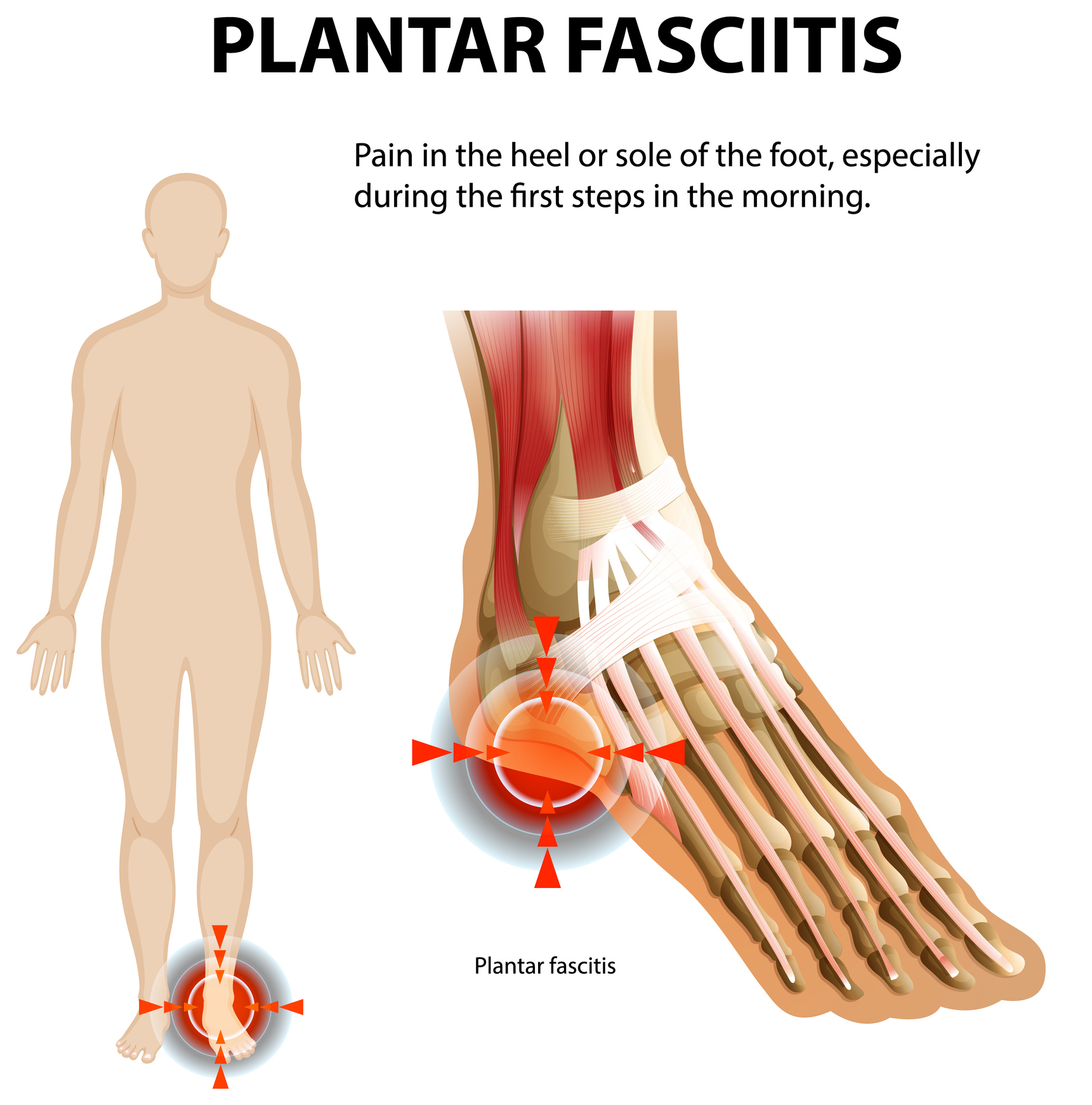
The plantar fascia is a dense band of tissue that runs along the bottom of your foot from the heel to the toes. It helps stabilize the arch of the foot and protects important nerves and blood vessels on the bottom of the foot.
During normal walking and running, the plantar fascia acts like a tension cable that supports the arch of the foot. As your heel lifts and your toes bend upward, the plantar fascia tightens through a process called the windlass mechanism. This creates a rigid lever that allows your foot to push off the ground efficiently.
Plantar fasciitis develops when this band is repeatedly overloaded. Small tears can occur near its attachment at the heel bone, which can lead to irritation and degeneration of the tissue.
Although the name suggests inflammation, most modern research shows that plantar fasciitis is often a degenerative condition rather than a purely inflammatory one.
Why Plantar Fasciitis Happens
Plantar fasciitis usually develops when repeated stress exceeds the tissue’s ability to recover.
Several factors increase the risk.
Flat Feet or Fallen Arches
The most common biomechanical cause is a fallen arch, also called pes planus. When the arch collapses, it places additional tension on the plantar fascia and causes repetitive strain where it attaches to the heel.
High Arches
People with very high arches may also develop plantar fasciitis because their feet are less able to absorb shock.
Tight Calf Muscles
Tightness in the gastrocnemius and soleus muscles limits ankle mobility. When the ankle cannot move properly, extra stress is placed on the plantar fascia.
Weak Calf Muscles
Weakness in the calf muscles reduces propulsion when walking or running, forcing the plantar fascia and small muscles of the foot to absorb more load.
Hamstring Tightness
Patients with plantar fasciitis are significantly more likely to have tight hamstrings. This can increase stress on the front of the foot and strain the plantar fascia.
Excess Body Weight
Weight gain and obesity increase stress through the arch of the foot. People with higher body mass index are significantly more likely to develop plantar fasciitis.
Long Periods of Standing
Occupations that involve prolonged standing or walking can contribute to plantar fascia strain. Teachers, nurses, cooks, construction workers, and warehouse employees often develop heel pain from repetitive loading.
Improper Footwear
Folks in Raleigh-Cary area love their flip-flops and they are the worst shoes you can wear if you want to avoid Plantar Fasciitis. Shoes with minimal heel height, thin soles, and little arch support can contribute to plantar fasciitis.
Foot Conditons Treated by Innovative Chriporactic
Although plantar fasciitis is one of the most common causes of heel pain, several other foot problems can cause similar symptoms.
Baxter’s Nerve Entrapment
Baxter’s nerve runs along the inside of the heel and supplies sensation to the bottom of the foot. When this nerve becomes irritated, it can cause burning pain, numbness, or discomfort that may mimic plantar fasciitis.
The condition is sometimes called Baxter’s neuropathy and is often associated with flat feet, prolonged standing, or improper footwear.
Overpronation and Flat Feet
The tissues supporting the arch of the foot can gradually weaken from repetitive stress. When the arch collapses, the foot rolls inward excessively. This condition is called overpronation.
Overpronation itself may not always be painful, but it often leads to secondary problems including plantar fasciitis, shin splints, foot pain, and even knee or hip issues.
Foot and Ankle Arthritis
Arthritis occurs when protective cartilage inside a joint wears down over time. This can lead to joint pain, swelling, and difficulty with weight bearing activities.
Foot and ankle arthritis may develop from aging, repetitive stress, previous injuries, or inflammatory conditions.
Supportive footwear, exercises, and orthotics often play an important role in managing symptoms.
When to Seek Help for Heel Pain
If heel pain lasts for several weeks or interferes with your daily activities, it is important to have the condition evaluated. Many foot problems respond best to treatment when addressed early.
Patients across Morrisville, Cary, and RTP frequently seek care for heel pain related to plantar fasciitis, arch problems, and nerve irritation.
Plantar Fasciitis FAQ
What is the most common cause of plantar fasciitis
The most common cause is excessive strain on the plantar fascia where it attaches to the heel. This is often related to flat feet, tight calf muscles, weight gain, prolonged standing, or unsupportive footwear.
Why does plantar fasciitis hurt most in the morning
During sleep, the plantar fascia shortens slightly. When you first step out of bed, the tissue is suddenly stretched again, which can cause sharp heel pain.
How long does plantar fasciitis last
Plantar fasciitis can last several months if left untreated. With proper treatment, supportive footwear, and exercises, many patients recover much faster.
Do orthotics help plantar fasciitis
Yes. Orthotics help support the arch and reduce stress on the plantar fascia. Some patients benefit from over the counter arch supports, while others require custom orthotics.
Should I stop exercising if I have plantar fasciitis
High impact activities like running may need to be reduced temporarily. Low impact activities such as swimming, cycling, or elliptical exercise are often better options during recovery.
Can standing all day cause plantar fasciitis
Yes. Occupations that require prolonged standing or walking can increase stress on the plantar fascia and contribute to heel pain.
What shoes are best for plantar fasciitis
Shoes with good arch support, cushioning, and a stable heel structure are best. Shoes with thin soles, minimal heel height, or no arch support can aggravate symptoms.
Can plantar fasciitis occur in both feet
Yes. About twenty to thirty percent of patients experience plantar fasciitis in both feet.
Is plantar fasciitis related to weight gain
Yes. Rapid weight gain and obesity increase the stress placed on the plantar fascia and can contribute to heel pain.
What is Baxter’s nerve pain
Baxter’s nerve runs along the inside of the heel. If it becomes irritated, it can cause burning or numb pain that sometimes feels similar to plantar fasciitis.
Can flat feet cause plantar fasciitis
Yes. Flat feet increase tension on the plantar fascia and are one of the most common biomechanical causes of plantar fasciitis.
Do night splints help plantar fasciitis
Night splints can help keep the plantar fascia stretched while sleeping, which may reduce morning heel pain.